

Protecting What Matters. Powering What’s Next.

The 2026 Impact Challenge focuses on solutions that:



Drive Sustainable Economic Growth
Preserve Marine Ecosystems
Foster Local Leadership & Ownership
Build Climate Resilience

PRIORITY SOLUTION Areas
By investing in ocean-friendly innovation, the VI Purpose Fund is helping to position the BVI as a global model for environmental entrepreneurship.
The health of our oceans is at a critical crossroads, with declining fish stocks and degraded coastlines, to mounting pollution and climate-induced threats - the marine ecosystems we depend on (both locally and globally) are under severe pressure. These challenges not only threaten biodiversity and food security but also the social, cultural, and economic fabric of communities across the Virgin Islands and beyond.
At Unite BVI, we believe in the power of purpose-driven entrepreneurship to turn the tide. Through the 2026 Impact Challenge, powered by The VI Purpose Fund, we are seeking bold, business-based solutions that address urgent environmental issues head-on. This year, we are focusing on the following Priority Solution Areas, each critical to restoring and preserving the vitality of our ocean. While the scale of the challenge is immense, so too is the opportunity to make a difference.
Together, we can shift the trajectory from decline to regeneration. Read through our Priority Solution Areas below, and see where your innovation can make the biggest waves.
REDUCED PRESSURE ON MARINE SPECIES AND ECOSYSTEMS
(eg. sustainable fisheries, regenerative aquaculture, mariculture)
The Challenge
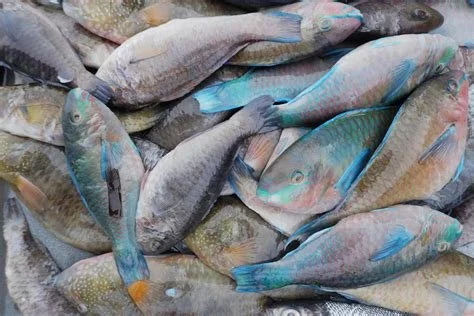
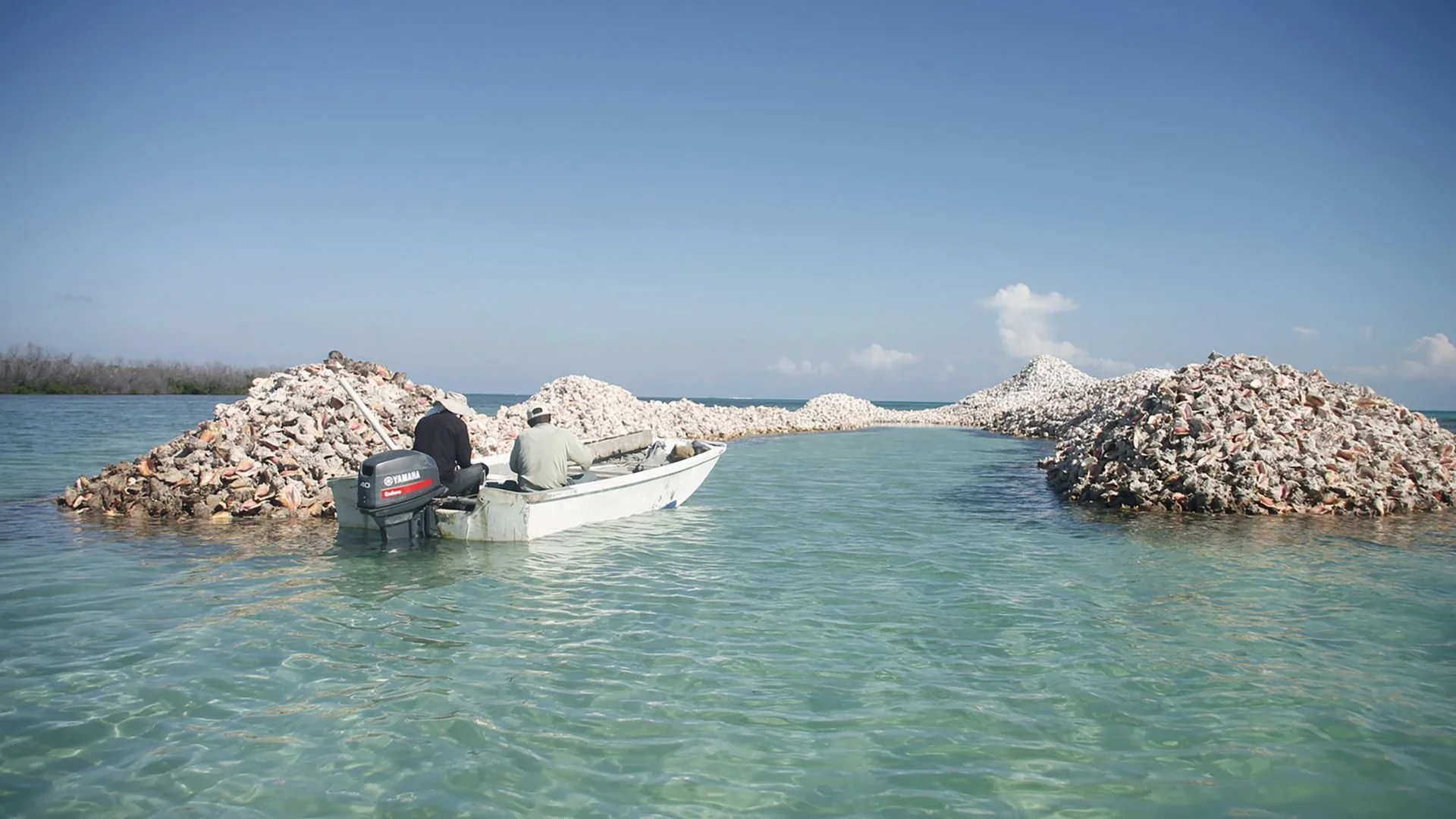
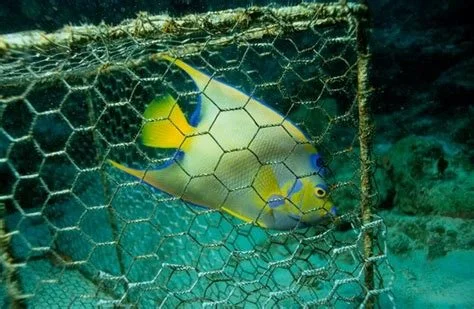
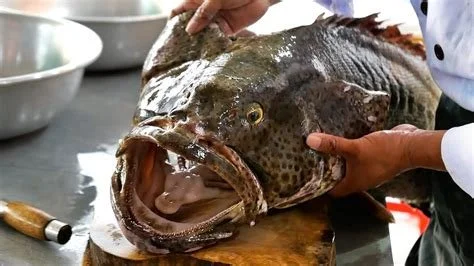
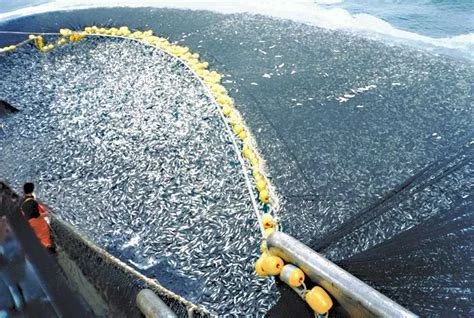
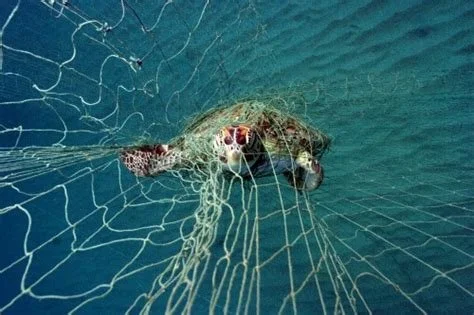
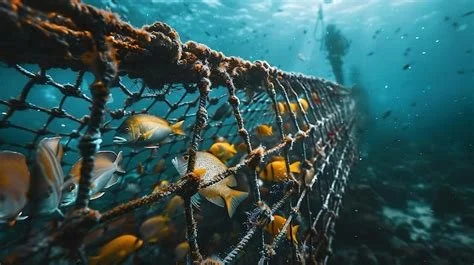
Overfishing and unsustainable harvesting practices are pushing global fish populations to the brink. In the Caribbean, marine life such as lobster, conch, and fish (grouper, snapper, mahi mahi, etc.) are not just part of our heritage, they are essential to our food systems, economies, and ecosystems.



The Opportunity
Sustainable fisheries and marine production systems ensure that ocean resources are used responsibly while maintaining healthy ecosystems. This includes science-based fisheries management, as well as aquaculture and mariculture approaches that reduce pressure on wild stocks by providing alternative, controlled sources of seafood. Effective practices include seasonal and size restrictions, gear innovations that minimize bycatch and habitat damage, and production models that support the regeneration of marine species and long-term biodiversity.

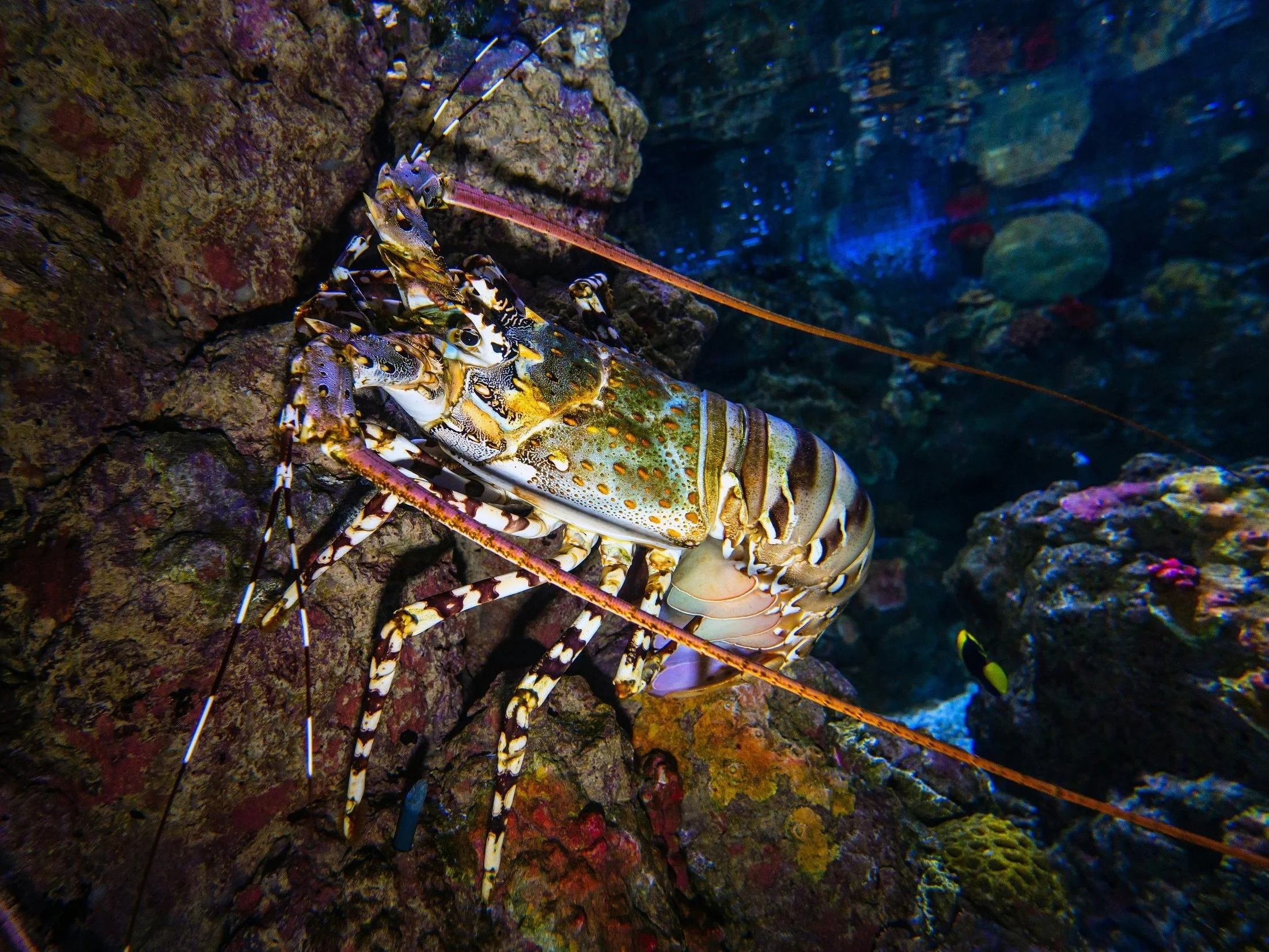


We are seeking business ideas that champion responsible harvesting, aquaculture innovations, or supply chain solutions that make sustainable seafood the norm, not the exception.
Ocean and coastal restoration businesses
(e.g. restoration-linked eco-tourism, reef-safe mooring installation, mangrove restoration services, coral restoration enterprises)
The Challenge
Tourism and development are central to the Virgin Islands economy, but without careful stewardship, they can place increasing strain on natural habitats and local communities. These pressures are being compounded by the accelerating impacts of climate change and broader ocean degradation. Rising sea temperatures, coral reef decline, biodiversity loss, stronger storms, and coastal erosion are no longer distant threats—they are already impacting marine ecosystems and reshaping coastlines across the Virgin Islands. Together, these challenges are threatening infrastructure, livelihoods, and the ocean systems that the Territory’s economy and way of life depend on.


The Opportunity
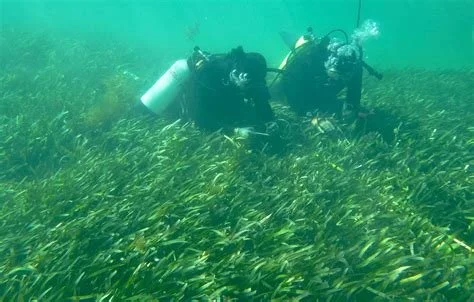
This moment calls for a new kind of business—one where restoring the ocean is not a side effort, but the core of the model. Entrepreneurs can build ventures that actively regenerate marine and coastal ecosystems, from coral and mangrove restoration to nature-based infrastructure and reef-safe solutions. It also creates strong potential for restoration-linked eco-tourism—offering experiences that connect visitors to regeneration efforts while generating revenue and supporting conservation. These businesses can create meaningful livelihoods while strengthening the natural systems that protect and sustain the Virgin Islands, showing that business can be a powerful force for good.


We aim to support entrepreneurs building solutions that help our coasts thrive under pressure—where innovation meets local knowledge, and where business models, including tourism, become a force for good that educates, inspires, protects, and regenerates while supporting sustainable livelihoods and celebrating the islands’ ecological and cultural value.
REDUCTION IN CARBON EMISSIONS
(e.g. low-carbon, ocean-linked local manufacturing)
The Challenge
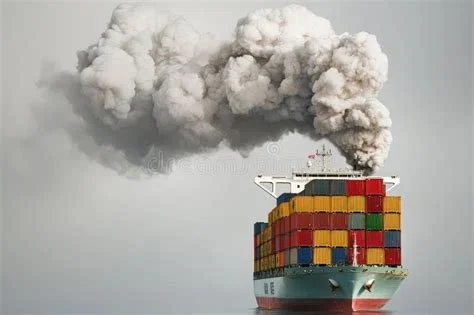
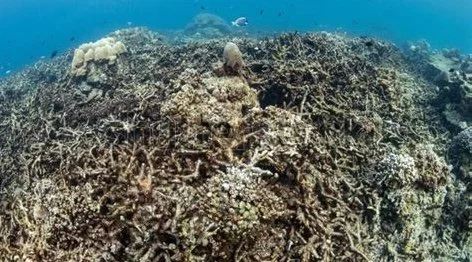
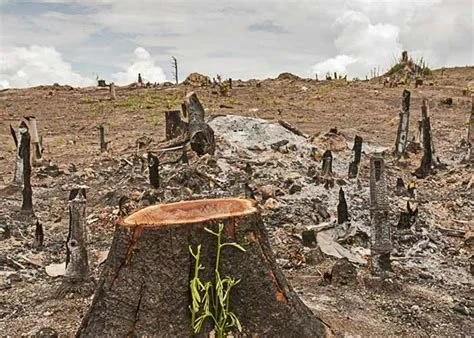
Ocean degradation, driven by excess carbon emissions, is weakening coral reefs and marine ecosystems that island nations like the BVI depend upon. In 2025, scientific assessments confirmed that the ocean has crossed its planetary boundary—meaning key marine systems are now operating beyond a safe threshold. At the core of this crisis is the accumulation of carbon in the atmosphere and ocean, leading to warming, acidification, and ecosystem collapse. Addressing ocean health therefore requires tackling carbon at its source, while accelerating solutions that reduce pressure on marine systems and support their regeneration.


The Opportunity
This is a moment to reimagine business itself. By prioritising carbon reduction—the root driver of ocean degradation—entrepreneurs can create commercially viable solutions that restore marine ecosystems while strengthening local economies. In the BVI, there is a unique opportunity to lead with locally grounded innovation that reduces emissions, relieves pressure on ocean systems, and demonstrates how small island solutions can deliver global impact.
We want to support entrepreneurs developing solutions that reduce carbon through local manufacturing, combining innovation with local knowledge to build a more resilient future.



Sargassum-to-value models
The Challenge
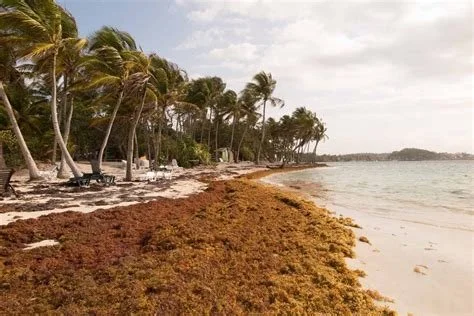
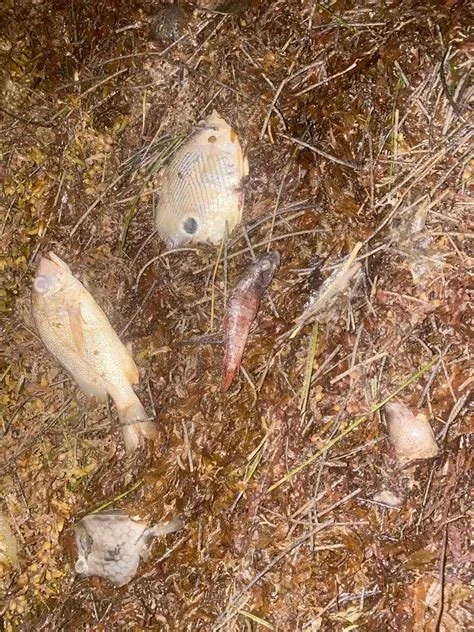
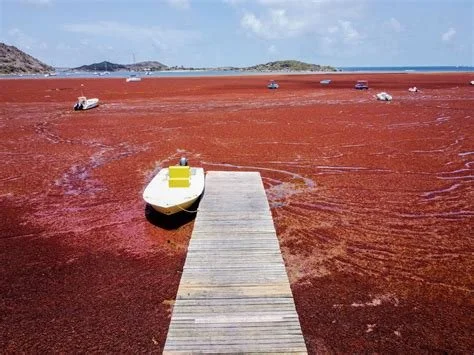
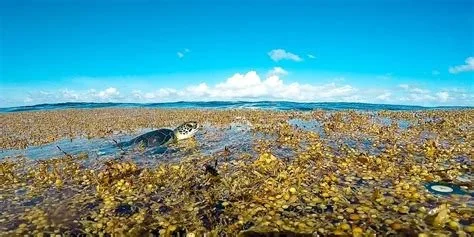
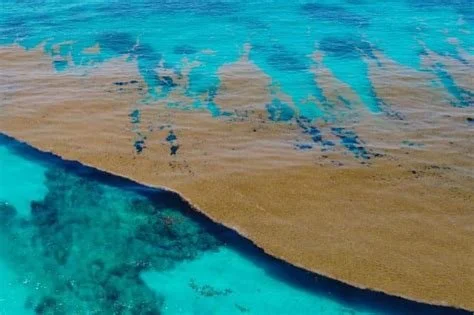
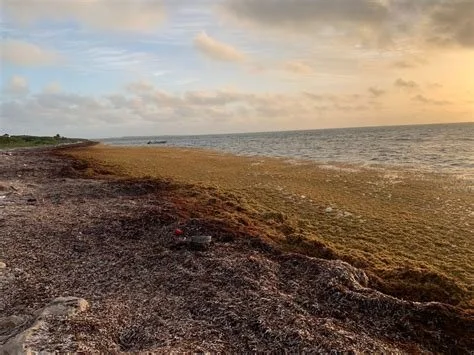
Sargassum blooms are becoming an increasing challenge across the Caribbean, including the Virgin Islands. Driven in part by rising ocean temperatures and shifting nutrient patterns linked to climate change, these large influxes of seaweed are occurring more frequently and at greater scale. When sargassum accumulates along coastlines, it can smother seagrass beds and coral reefs, reduce oxygen levels in nearshore waters, and disrupt marine ecosystems. On land, it impacts coastal communities and tourism through strong odors, beach degradation, and costly clean-up efforts—placing additional strain on already vulnerable island systems.
The Opportunity
At the same time, sargassum presents an emerging opportunity to transform a growing environmental challenge into a source of economic value. Entrepreneurs can develop innovative, commercially viable solutions that convert sargassum into useful products—such as fertilizers, building materials, biofuels, or alternative packaging—while supporting more efficient collection and processing systems. By turning waste into resource, these models can reduce pressure on coastal ecosystems, create new local industries, and demonstrate how climate-driven challenges can be harnessed to drive resilient, regenerative economic growth in the Virgin Islands.
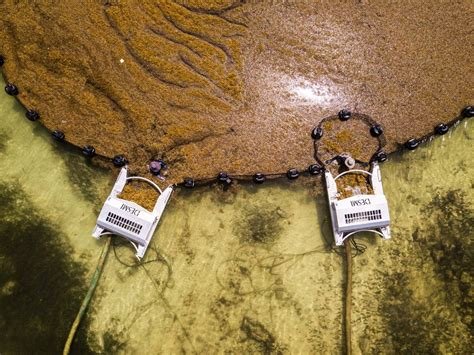
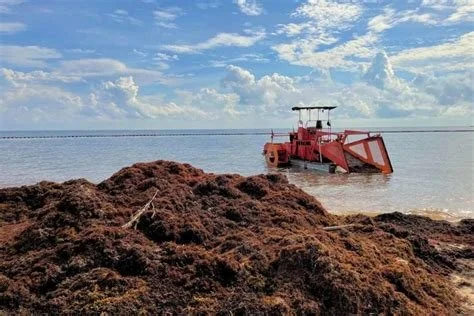
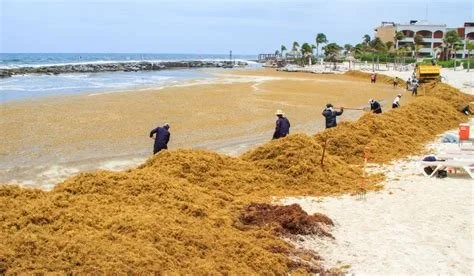
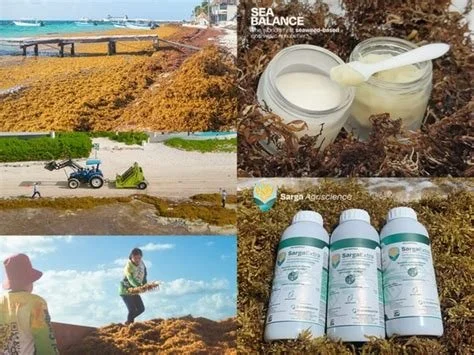
We want to support entrepreneurs developing businesses that transform the collection and processing of sargassum into viable, value-generating solutions.
Waste Reduction, Material Substitution & Circular ECONOMY Solutions
(e.g. plastic alternatives, reuse models, recycling, and solutions reducing ocean-harmful waste)
The Challenge
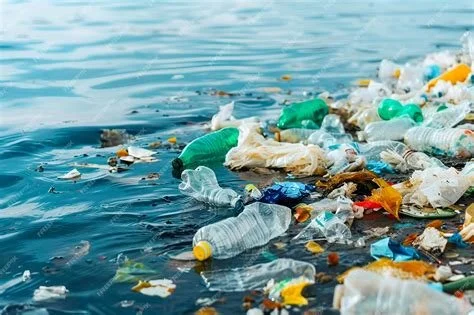
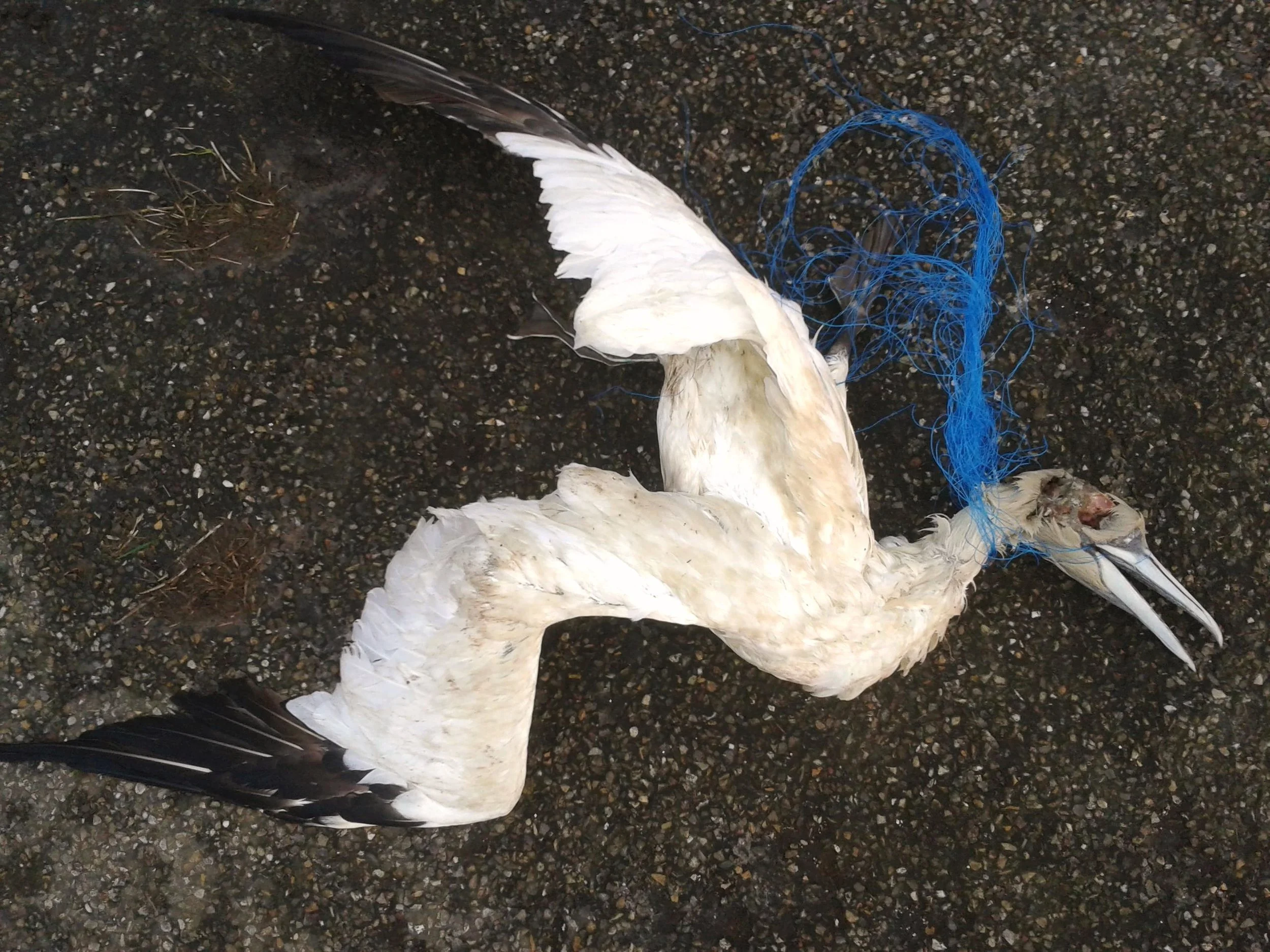
Marine pollution, much of it stemming from mismanaged waste on land, is suffocating ocean life. Plastic waste, untreated sewage, and chemical runoff are contaminating our waters, harming wildlife, and threatening the long-term health of island communities.

The Opportunity
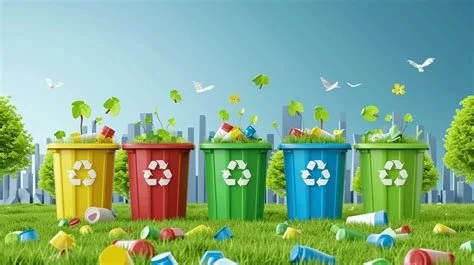
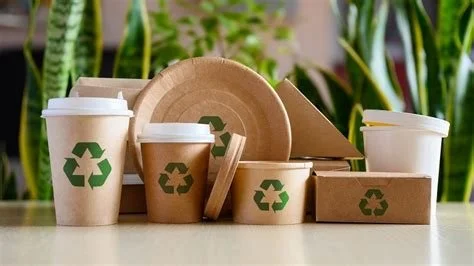
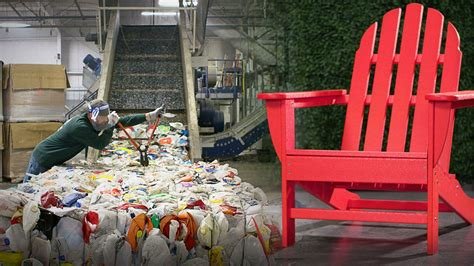
This challenge presents a clear opportunity to reimagine waste as a resource and build circular, locally driven solutions that reduce pressure on marine ecosystems. Entrepreneurs can develop innovative business models that replace harmful materials, extend product life through reuse and repair, and transform waste streams into valuable inputs for new products. From plastic alternatives and recycling enterprises to closed-loop systems that minimise leakage into the ocean, these solutions can reduce pollution at its source while creating new economic opportunities, strengthening local industries, and advancing a more resilient, regenerative island economy.
We want to support entrepreneurs developing solutions that reduce ocean-harmful waste through circular economy models and material innovation, grounded in local knowledge.
Sustainable
local food sovereignty
linked to ocean health
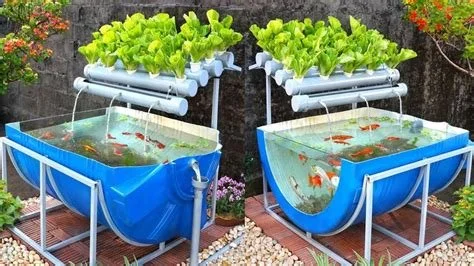
(e.g. aquaponics and systems that reduce pressure on marine ecosystems)
The Challenge
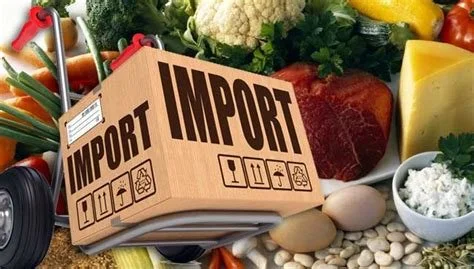
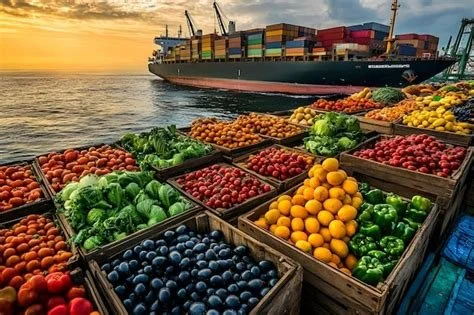
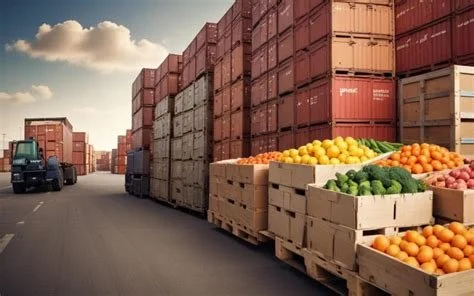
Small island economies like the Virgin Islands remain heavily reliant on imported food, leaving them exposed to global supply disruptions, high costs, and significant embedded carbon emissions. At the same time, increasing pressure on marine ecosystems—through overfishing, habitat degradation, and climate impacts—threatens local food sources and ocean health. This dual challenge of food insecurity and ecosystem strain underscores the urgent need for more sustainable, locally rooted food systems that reduce dependence on imports while protecting marine environments.
The Opportunity
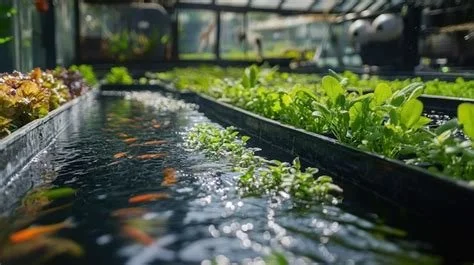
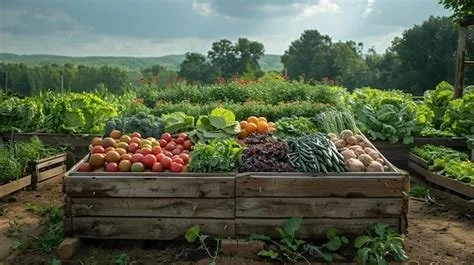
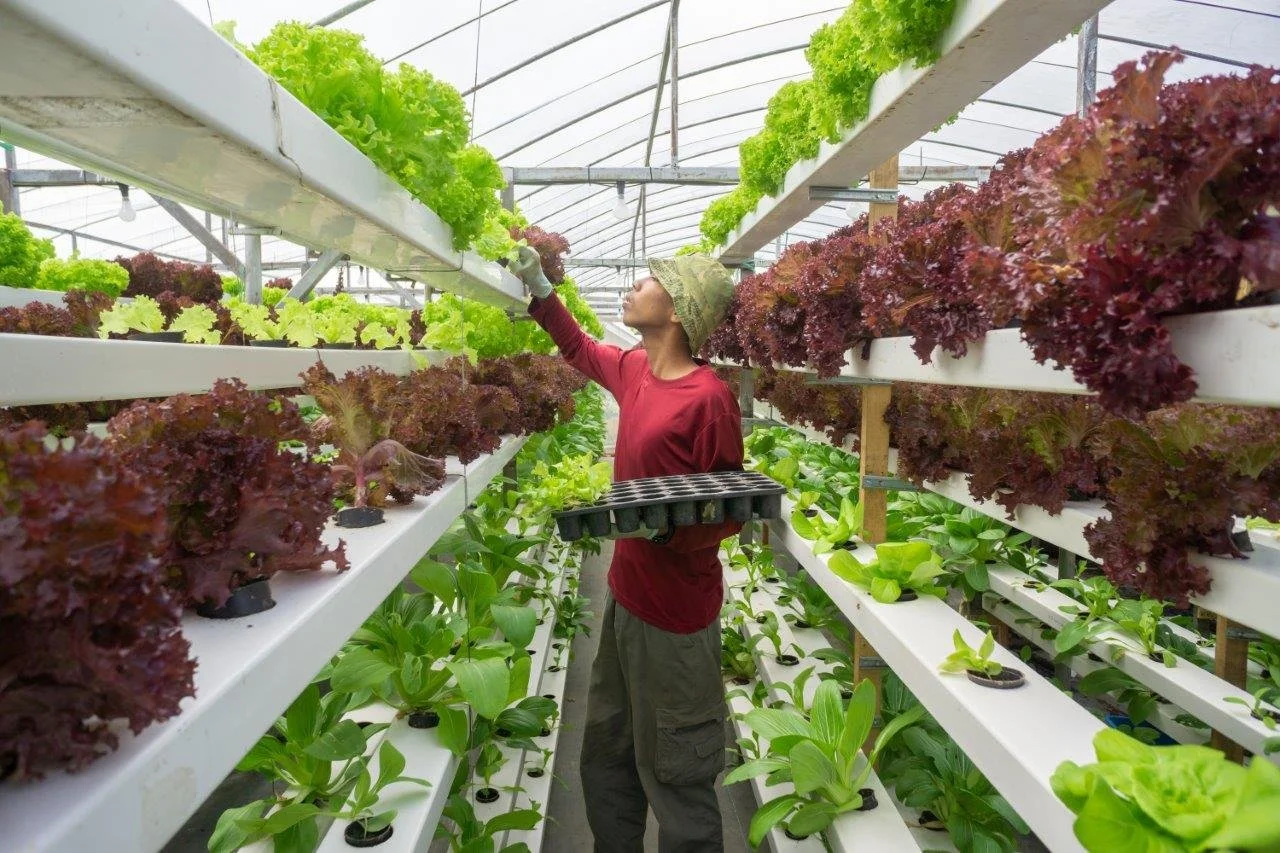
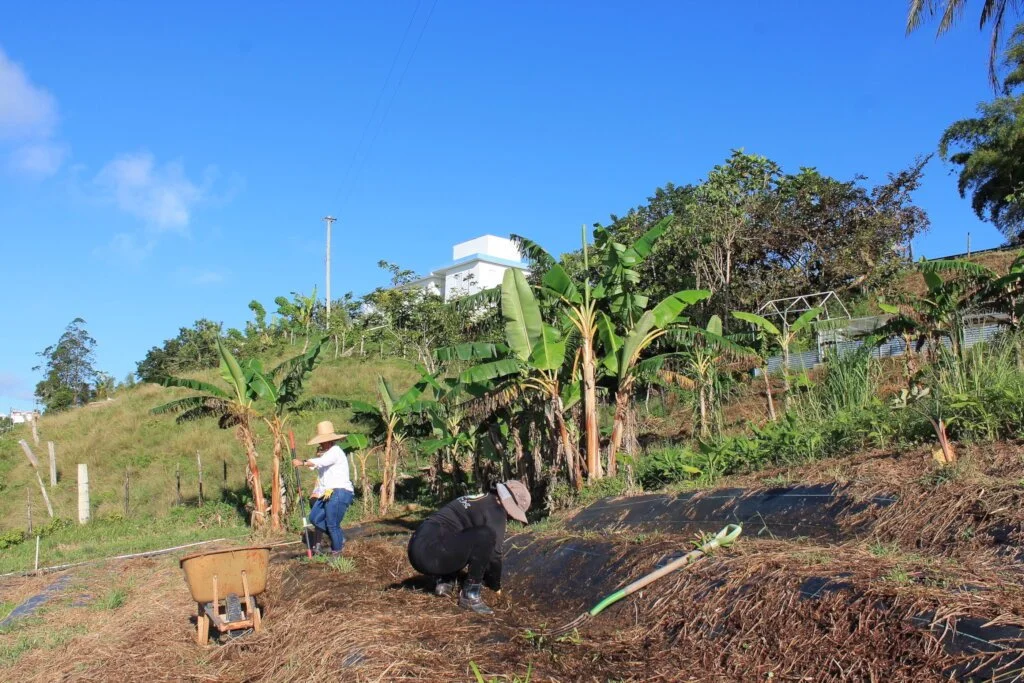
This challenge presents an opportunity to strengthen food sovereignty through innovative, locally driven systems that are closely linked to ocean health. Entrepreneurs can develop solutions such as aquaponics, regenerative mariculture, and integrated land-sea food systems that reduce pressure on wild fish stocks while increasing local food production. By creating scalable, commercially viable models, these ventures can enhance food security, lower carbon exposure, support local livelihoods, and demonstrate how sustainable food systems can work in harmony with healthy marine ecosystems
We want to support entrepreneurs developing solutions that build sustainable, ocean-linked food systems, reducing reliance on imports while protecting marine ecosystems.
A Call to Action
Our oceans are in crisis, but we are not powerless. The 2026 Impact Challenge is a call to action for entrepreneurs with bold ideas and the determination to implement them. If your business solution can heal the ocean, uplift communities, and generate lasting impact, we want to hear from you!
This is your moment to be part of something bigger – to be a force for good, for the Virgin Islands, and for the world.
APPLICATION DEADLINE: JUNE 10 2026
